
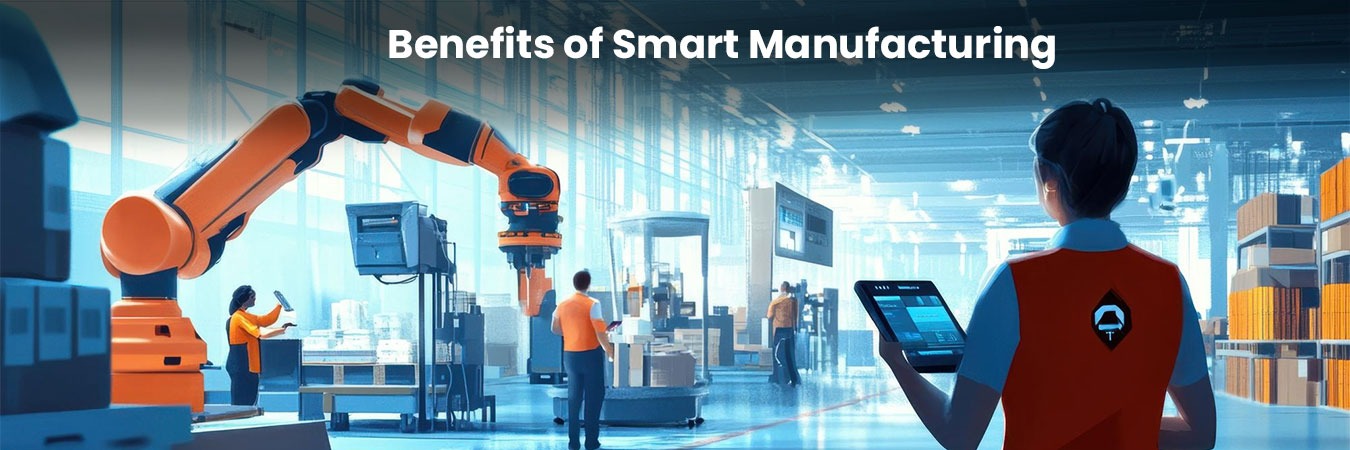
Smart Manufacturing: The Future of Modern Industry
The manufacturing industry has come a long way from traditional assembly lines and manual processes. Today, factories are becoming smarter, faster, and more connected than ever before. This transformation is known as Smart Manufacturing, and it’s changing the way businesses produce goods while improving quality, efficiency, and customer satisfaction.
But smart manufacturing isn’t just about installing robots or using advanced machines. It’s about creating a connected ecosystem where people, machines, and data work together to make better decisions in real time.
What is Smart Manufacturing?
Smart manufacturing is the use of modern technologies such as the Internet of Things (IoT), Artificial Intelligence (AI), cloud computing, automation, and data analytics to improve manufacturing processes.
Imagine a factory where machines can detect problems before they cause downtime, production data is available instantly, and managers can monitor operations from anywhere. That’s what smart manufacturing looks like in practice.
The goal isn’t to replace people—it’s to help them work more efficiently by providing better information and smarter tools.
Why Businesses Are Moving Towards Smart Manufacturing
Manufacturers today face growing challenges. Customers expect faster deliveries, product quality must remain consistent, and production costs continue to rise. Traditional manufacturing methods often struggle to meet these expectations.
Smart manufacturing helps businesses by:
- Increasing production efficiency
- Reducing machine downtime
- Improving product quality
- Lowering operational costs
- Saving energy and resources
- Making faster, data-driven decisions
- Responding quickly to changing customer demands
These improvements not only boost productivity but also make companies more competitive in today’s market.
Technologies Powering Smart Manufacturing
Internet of Things (IoT)
IoT connects machines, equipment, and sensors so they can collect and share data continuously. Manufacturers can monitor machine performance, production speed, temperature, energy usage, and much more without manual inspections.
Artificial Intelligence (AI)
AI analyzes large amounts of production data to identify patterns and predict future issues. It can detect quality defects, forecast equipment failures, and even recommend ways to improve production efficiency.
Automation and Robotics
Modern robots are designed to handle repetitive, dangerous, or highly precise tasks. This allows employees to focus on work that requires creativity, problem-solving, and decision-making.
Cloud Computing
Cloud platforms make manufacturing data available anytime and anywhere. Teams from different departments or locations can access the same information, improving collaboration and faster decision-making.
Data Analytics
Every machine generates valuable data. Advanced analytics help manufacturers understand what’s happening on the production floor and identify opportunities to improve productivity and reduce waste.
Real-World Benefits of Smart Manufacturing
One of the biggest advantages of smart manufacturing is predictive maintenance. Instead of waiting for a machine to break down, sensors continuously monitor its condition. If something unusual is detected, maintenance teams receive an alert before the issue becomes serious. This helps avoid costly production delays.
Quality control also becomes much more reliable. AI-powered inspection systems can identify tiny defects that may be difficult for the human eye to notice, ensuring customers receive consistently high-quality products.
Inventory management improves as well. Smart systems can automatically track raw materials, monitor stock levels, and even reorder supplies when inventory starts running low.
Challenges Companies Should Prepare For
Like any major transformation, smart manufacturing comes with its own set of challenges.
The initial investment in technology, software, and employee training can be significant. Businesses also need to protect sensitive production data from cybersecurity threats.
Another challenge is helping employees adapt to new technologies. Successful digital transformation requires proper training and a culture that embraces continuous learning.
Despite these hurdles, the long-term benefits often outweigh the initial costs.
The Future of Manufacturing
The future of manufacturing is becoming more intelligent, connected, and sustainable. Emerging technologies like digital twins, collaborative robots, edge computing, and advanced AI will continue to reshape factory operations.
Manufacturers will be able to produce customized products faster, reduce environmental impact, and respond to market demands with greater flexibility.
Companies that invest in smart manufacturing today are positioning themselves for long-term growth and resilience.
Final Thoughts
Smart manufacturing is no longer a concept reserved for large global companies. Businesses of all sizes are beginning to adopt digital technologies to improve efficiency, reduce costs, and deliver better products.
The journey doesn’t happen overnight, but every step toward a smarter factory creates new opportunities for innovation and growth. As technology continues to evolve, manufacturers who embrace change will be better equipped to succeed in an increasingly competitive world.
In the end, smart manufacturing isn’t just about smarter machines—it’s about empowering people with the right technology to build a better future.